
The Situation: 18 Years of Landlording, Ready to Walk Away
This property owner purchased a 3-bedroom, 2.5-bath townhome in the Fair Oaks area of Fairfax County in 2006 as an investment rental. For 18 years, they managed the property themselves: finding tenants, collecting rent, coordinating repairs, handling lease renewals, and dealing with the occasional vacancy.
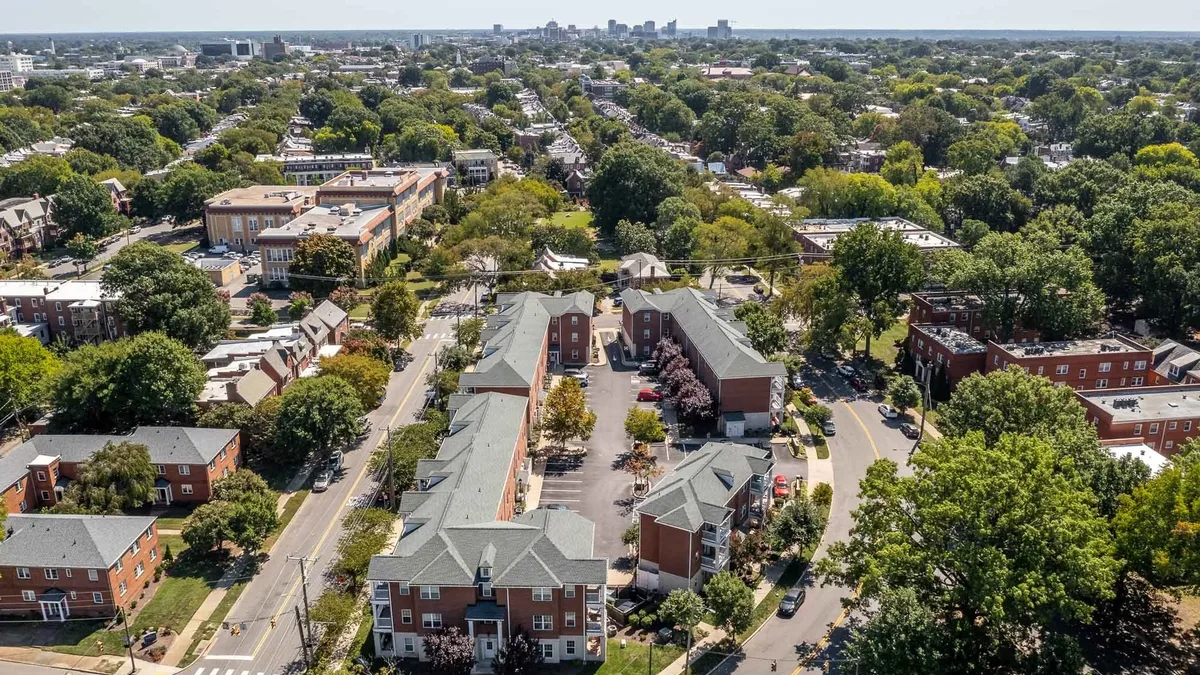
By late 2024, the math had shifted. Property insurance had increased 40% over the past three years. The HVAC system was 20 years old and needed replacement ($12,000+). The roof was approaching end of life. The current tenants were consistently late on rent and had caused cosmetic damage beyond normal wear and tear. The landlord, now in their 60s, was spending weekends driving from their primary residence in Loudoun County to deal with maintenance issues at a property that was generating less and less net income every year.
They wanted out completely. But the property had tenants on a lease that did not expire for another 7 months. Virginia law does not allow landlords to terminate a lease early simply because they want to sell. Traditional buyers with conventional financing would require the property to be vacant and in showing condition, neither of which was possible without an eviction process or waiting out the lease.
Deal at a Glance
How Capitol Cash Offer Helped
The landlord contacted us after searching for companies that buy tenant-occupied rental properties in Fairfax County. Gavin spoke with the owner by phone, reviewed the lease terms, current rent amount, tenant payment history, and property condition details. A property assessment was scheduled and coordinated with the tenants per Virginia's notice requirements.
Our offer accounted for the tenant occupancy, the remaining lease term, the condition of the HVAC and roof, and the cosmetic work needed after the tenants eventually vacate. We provided the landlord with a clear breakdown of how we valued the property, including comparables for both tenant-occupied investor sales and renovated retail sales, so the owner could see both sides of the equation.
The landlord accepted the offer and we closed 16 days later. The tenants were notified of the ownership change per Virginia Code 55.1-1216, which requires the new owner to honor the existing lease. Capitol Cash Offer took over the landlord responsibilities, the security deposit, and the tenant relationship on the day of closing. The seller walked away with a clean break, no more tenant calls, no more maintenance emergencies, no more late rent collections.
Virginia Landlord-Tenant Law: What Sellers Need to Know
Virginia's landlord-tenant law (Virginia Residential Landlord and Tenant Act, Virginia Code 55.1-1200 et seq.) provides specific protections for tenants during property sales. Key provisions that affect tired landlord sales include:
- Lease survival: When a rental property is sold, the existing lease transfers to the new owner. The new owner must honor all lease terms through the expiration date.
- Security deposit transfer: The seller must transfer the tenant's security deposit to the buyer at closing, along with any accrued interest required by the lease or local ordinance.
- Notice of ownership change: Tenants must be notified in writing of the new owner's name, address, and contact information.
- Access for showings: Virginia requires 24-hour notice to tenants for property showings (Virginia Code 55.1-1229). This applies during the sale process if the property is being shown to potential buyers.
We handle all of these requirements on every tenant-occupied purchase. The seller does not need to navigate the tenant notification process, the security deposit transfer, or the lease assignment. Our title company and closing attorney manage the legal transfer of the landlord-tenant relationship.
When to Exit: The Landlord Math That Matters
Many tired landlords hold on longer than they should because they focus on gross rent rather than net return after all expenses. The real calculation includes mortgage payments, property taxes ($5,000+ annually in Fairfax County for a typical townhome), insurance (rising 8 to 15% per year in the current market), maintenance reserves (typically 1% of property value annually), vacancy loss (even one month costs 8% of annual rent), and the landlord's time managing the property.
When the net return drops below what the equity could earn in a simple index fund or high-yield savings account, continuing to landlord is actually costing money in opportunity cost. For this seller, the net rental yield had dropped below 3% after all expenses, while their equity of $200,000+ could earn 4.5% in a money market with zero management burden. The exit decision was financially obvious once the numbers were laid out clearly.
Fairfax County Resources for Landlords
- Fairfax County Circuit Court: 4110 Chain Bridge Rd, Fairfax VA 22030, (703) 691-7320
- Fairfax County General District Court (Landlord-Tenant): 4110 Chain Bridge Rd, Fairfax VA 22030, (703) 246-3016
- Virginia Residential Landlord and Tenant Act: Virginia Code 55.1-1200 et seq.
- Fairfax County Department of Tax Administration: fairfaxcounty.gov/taxes, (703) 222-8234
- Virginia Legal Aid Society: vlas.org